New dwelling cost growth eases to 4.7% as CPI hits 4.3% ahead of RBA call
ABS data shows annual new dwelling cost growth slowed to 4.7% in September from 5.4%, while headline CPI rose to 4.3% and housing was the biggest contributor, ahead of the RBA's 3 November decision.
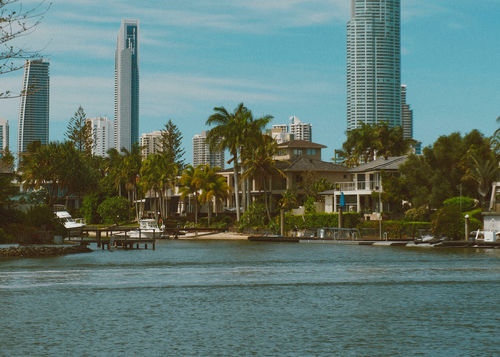
Image: GC Prestige (illustrative)
ABS data shows annual new dwelling cost growth slowed to 4.7% in September from 5.4%, while headline CPI rose to 4.3% and housing was the biggest contributor, ahead of the RBA's 3 November decision.
- Annual new dwelling cost growth slowed to 4.7% in September 2026, down from 5.4% in August.
- Headline CPI rose 0.8% in September and 4.3% over 12 months, up from 4.0% in August.
- Housing was the largest contributor to annual inflation, up 5.2%, partly driven by electricity costs.
- Trimmed mean (underlying) inflation was 3.6% annually; August was revised down to 3.5%.
- The RBA board meets on 2–3 November, with markets pricing better than even odds of a rate rise.
What's happening
The Australian Bureau of Statistics released its September 2026 Consumer Price Index on 28 October, and for anyone building or buying a new home there was one genuinely encouraging number: the annual rise in the cost of new dwellings slowed to 4.7%, down from 5.4% a month earlier. That is a meaningful easing in the price builders charge for new homes, and it follows a long run of elevated construction costs.
The broader picture is tougher. Headline inflation rose 0.8% in September and 4.3% over the year, up from 4.0% in August, with higher world oil prices pushing automotive fuel up sharply. Housing as a whole was the largest contributor to annual inflation, rising 5.2%, with electricity costs adding to the increase. The figures arrive less than a week before the Reserve Bank's November meeting.
The key details
The ABS said underlying inflation was steadier than the headline rate, partly because fuel is excluded from the trimmed mean measure.
- Monthly CPI: 0.8% in September (0.4% in August); September quarter: 1.3%.
- Annual CPI: 4.3%, up from 4.0%.
- Trimmed mean: 3.6% annually; August revised from 3.6% to 3.5%.
- Housing group: up 5.2% over the year, the largest contributor.
- New dwellings: up 4.7% over the year, down from 5.4%.
- Transport: up 8.7%, with automotive fuel up 9.4% in the month.
ABS head of price statistics Rachael McCririck said housing was the largest contributor to annual inflation in September.
Timeline and next steps
The RBA board meets on Monday 2 November and announces its decision on Tuesday 3 November, alongside updated economic forecasts. According to the ABC, market pricing put the chance of a November rate rise above 60% before the data was released, and deputy governor Andrew Hauser recently described the inflation outlook as "materially worse" than forecast. The next monthly CPI release will show whether the easing in new dwelling costs continues.
What it means for Gold Coast property owners and developers
For developers and home builders on the Gold Coast, a slowdown in new dwelling cost growth is welcome: it helps feasibility on projects that have been squeezed by rising build prices, and gives buyers of house-and-land and off-the-plan stock more confidence that quoted prices will hold. Combined with Queensland's record pipeline of homes under construction, it suggests the construction sector is gradually finding a steadier footing.
Borrowers should, however, plan for the possibility of a higher cash rate next week. Keeping a repayment buffer and reviewing loan terms with a broker is sensible, while sellers and investors may find that well-located, quality homes continue to attract committed buyers. This is general information only, not financial advice.
Frequently asked questions
Did new home building costs fall?
Not outright. They are still rising, but more slowly: 4.7% over the year to September, compared with 5.4% to August.
When is the next RBA decision?
The board meets on 2 November and announces its decision on the afternoon of Tuesday 3 November 2026.
What is the trimmed mean?
It is the RBA's preferred measure of underlying inflation, removing the biggest price rises and falls each period. It was 3.6% in September.
Source: Australian Bureau of Statistics — CPI rose 4.3% in the year to September 2026, published 28 October 2026. This article is an independent summary and commentary by GC Prestige based on the original report — read the source for full details.
Australian Bureau of Statistics
Read the original article →This is an independent summary written by GC Prestige for general information. All facts are attributed to the original publisher above — please refer to the source for full details. Not financial or planning advice.